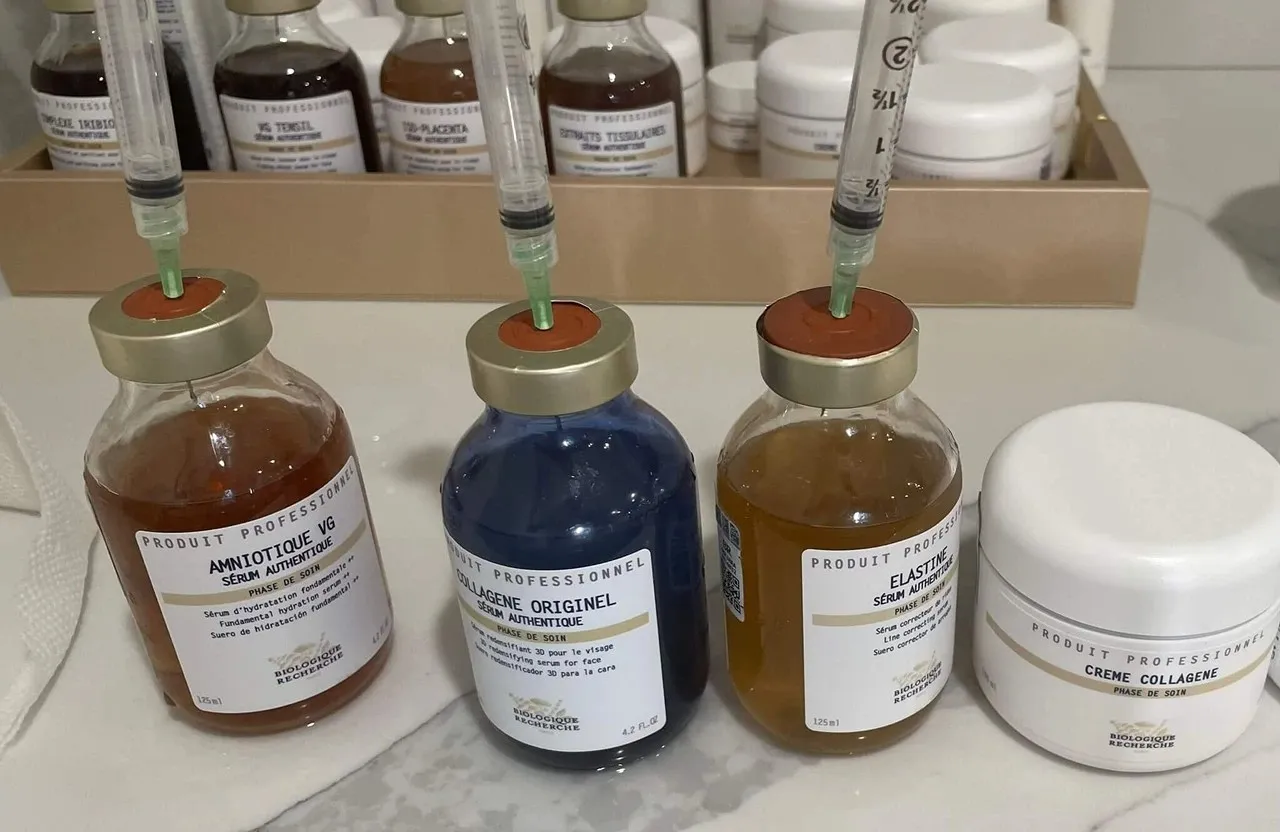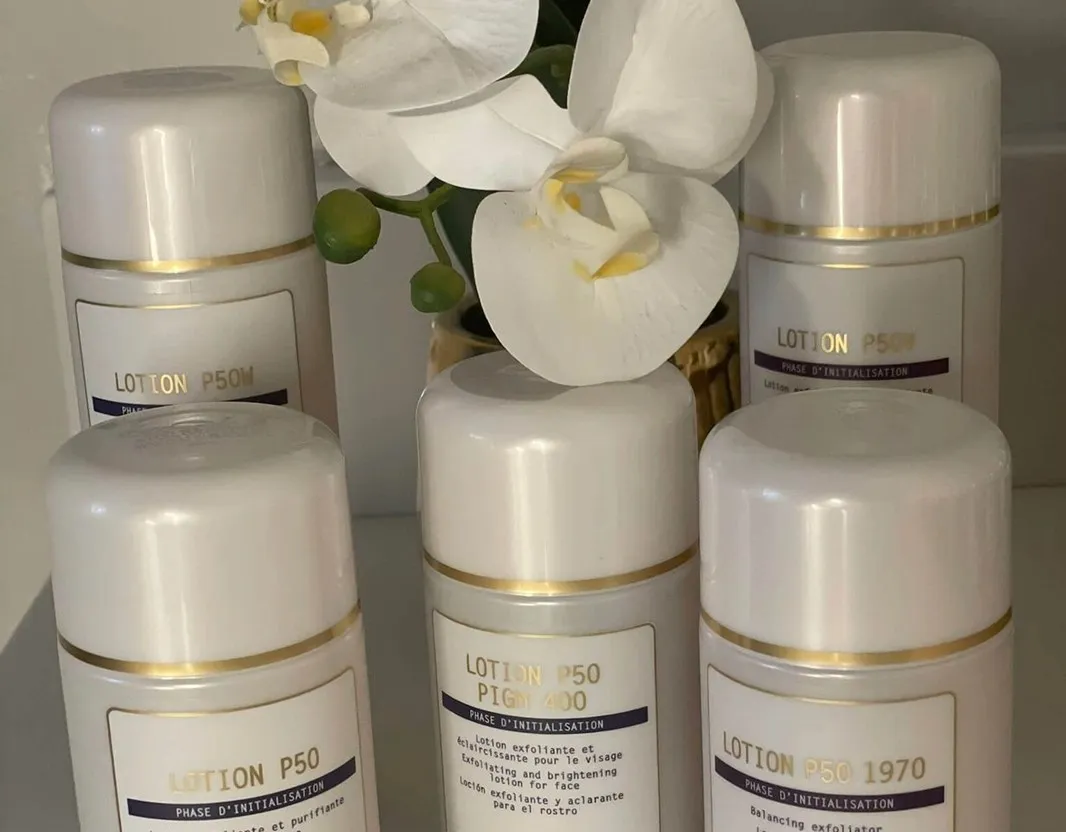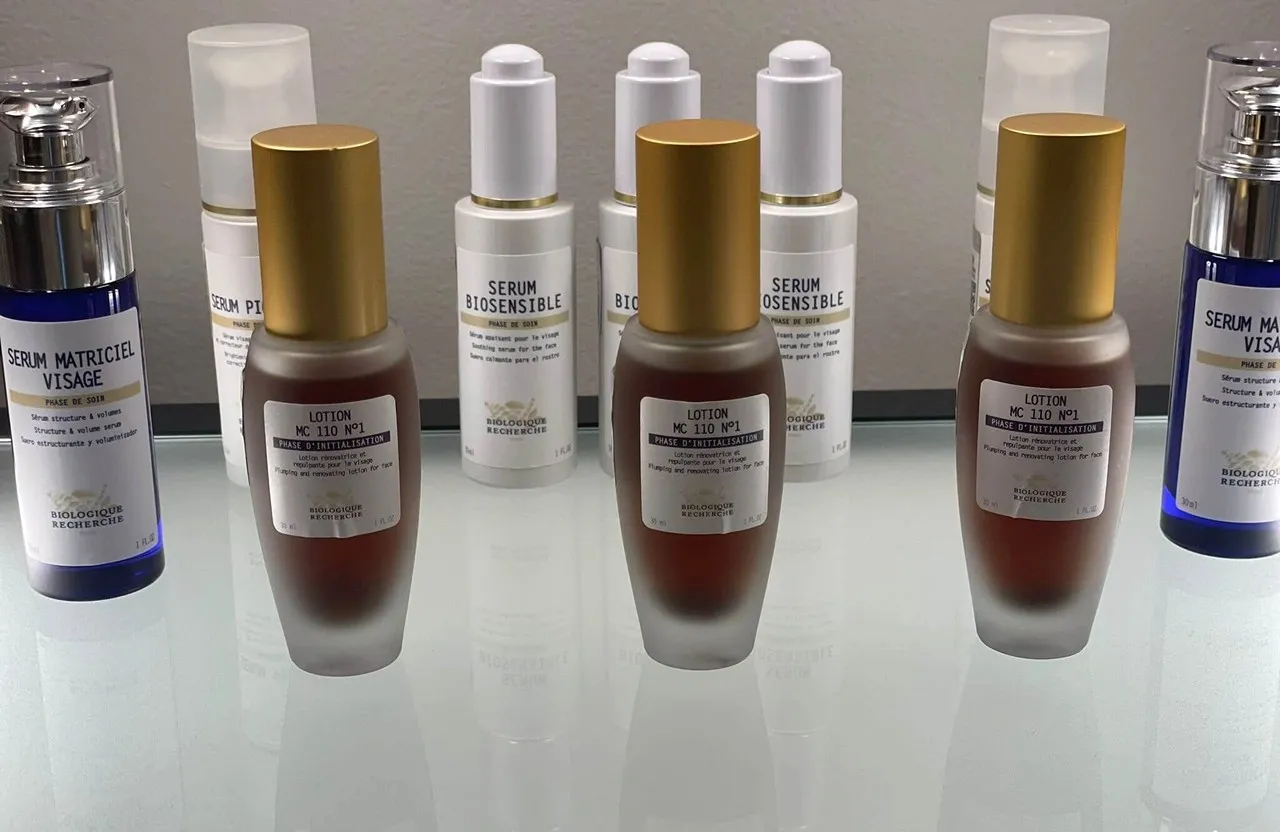
The best ingredients for skin barrier repair are ceramides, cholesterol, and free fatty acids in combination (the lipid trifecta), supported by niacinamide, panthenol, glycerin, hyaluronic acid, and squalane. At Esthetics Embassy in Pound Ridge, NY, Lydia works regularly with clients whose primary presenting concern is a barrier depleted by over-exfoliation, stripping cleansers, or incompatible actives, using the Biologique Recherche Skin Instant assessment to identify which specific barrier components are compromised before selecting the appropriate repair strategy.
Why Barrier Damage Is the Most Common Unrecognized Skin Problem
The skin barrier is the most frequently referenced concept in contemporary skincare and, by a considerable margin, the most frequently damaged by the routines designed to improve the skin. Understanding the best ingredients for skin barrier repair is not an abstract question: it is what determines whether a skincare routine produces lasting improvement or keeps the skin in a cycle of disruption and temporary relief.
By the time most clients identify a compromised barrier as the source of their skin concerns, they are dealing with a constellation of symptoms that have been misdiagnosed and mistreated for months or sometimes years: chronic redness attributed to rosacea that is actually inflammation from barrier disruption, persistent dehydration attributed to skin type that is actually transepidermal water loss from an impaired lipid layer, and sensitivity to actives that were previously tolerated. At Esthetics Embassy in Pound Ridge, NY, Lydia works regularly with clients whose primary presenting concern is a barrier that has been depleted rather than a skin condition with a separate pathological cause.
What the Skin Barrier Is
The skin barrier, more precisely the stratum corneum and the lipid matrix that surrounds it, is the outermost functional layer of the skin. The most commonly referenced model is the brick-and-mortar analogy: the corneocytes, or dead skin cells, are the bricks, and the lipid matrix that fills the spaces between them is the mortar. The lipid matrix is composed primarily of ceramides, cholesterol, and free fatty acids in a specific ratio. When these lipids are present in the right proportions, the barrier performs its two primary functions: preventing water from evaporating from the skin’s surface, and preventing external irritants, allergens, and pathogens from entering the tissue. Understanding the best ingredients for skin barrier repair requires understanding that it is specifically this lipid matrix that must be restored.
When the barrier is compromised through physical disruption, lipid depletion, or pH disruption, both functions deteriorate simultaneously. Transepidermal water loss increases, the skin becomes dehydrated from within despite external hydration, and the skin’s reactivity to external substances increases because the barrier that was filtering and blocking them is no longer intact. According to the National Institutes of Health, transepidermal water loss is one of the primary measurable indicators of skin barrier integrity and is directly correlated with the sensitivity and dehydration symptoms most clients associate with compromised skin.
What Damages the Barrier
Knowing what damages the barrier is as important as knowing the best ingredients for skin barrier repair, because barrier repair in the presence of continued damage is a losing proposition.
Over-exfoliation is the primary cause of acquired barrier disruption in professional skincare clients. Exfoliation removes dead surface cells, which is appropriate and beneficial within a certain frequency. Beyond that frequency, it begins removing the lipid components of the barrier alongside the dead cells, thinning the protective layer and reducing the skin’s capacity to retain water. According to the American Academy of Dermatology, over-exfoliation is one of the most common causes of skin sensitivity and barrier disruption in clients with otherwise healthy skin.
Surfactant-heavy cleansers strip the skin’s natural lipid layer with each use. Sodium lauryl sulfate and similar surfactants are highly effective at removing oil but do not discriminate between sebum and the lipids of the barrier. A cleanser that consistently leaves the skin feeling tight and squeaky clean after use is removing more than it should.
Incompatible actives used simultaneously create pH conflicts and inflammatory reactions in the barrier tissue. Vitamin C at low pH used on the same occasion as niacinamide, retinoids combined with exfoliating acids, or multiple high-concentration actives introduced too quickly are all common patterns that produce barrier disruption in clients who are conscientious about their skincare and confused about why their skin is getting worse. The Insights section of the Esthetics Embassy blog covers the most common patterns of over-treatment and how to recognize them.
The Best Ingredients for Skin Barrier Repair
Barrier repair requires replacing what the barrier is structurally composed of: lipids, specifically ceramides and the supporting lipid components, along with reducing the inflammatory signal a damaged barrier generates. These are the best ingredients for skin barrier restoration based on the clinical evidence and the protocols used at the Esthetics Embassy.
Ceramides
Ceramides are the most important lipid component of the skin barrier, accounting for approximately 50 percent of the lipid matrix. They are specific molecular structures, not simply any lipid, and their presence in the correct ratio with the other barrier lipids is what maintains the barrier’s water-retaining and protective function. Topical ceramides are among the most established of the best ingredients for skin barrier repair. Applied to the skin in appropriate formulations, they integrate into the existing lipid matrix and directly replenish the ceramide deficit that drives much of the barrier disruption seen in sensitive, dry, and over-exfoliated skin. According to the Cleveland Clinic, topical ceramide formulations are clinically supported for improving barrier function and reducing transepidermal water loss in both healthy and compromised skin. At Esthetics Embassy, Biologique Recherche formulas incorporating the appropriate lipid components are selected based on the Skin Instant assessment conducted at the beginning of each session.
Cholesterol and Free Fatty Acids
The barrier lipid matrix requires ceramides, cholesterol, and free fatty acids in a ratio of approximately 1:1:1 to function optimally. Ceramide-only barrier repair formulas, while beneficial, are more effective when the other two lipid components are present alongside them. Products that deliver all three components in an appropriate ratio produce more complete barrier restoration than ceramide-only formulations, making the full lipid trifecta among the best ingredients for skin barrier repair for clients with significant lipid-related compromise. This is one of the reasons that the clinical precision of Biologique Recherche formulations, which account for the full biochemical requirement rather than marketing a single ingredient, produces results that consumer-grade single-ingredient ceramide products cannot fully replicate.
Niacinamide
Niacinamide, vitamin B3, supports barrier function through a different mechanism from the lipid components. It stimulates the production of ceramides within the skin’s own cells rather than delivering them topically, supports the skin’s natural production of free fatty acids, and reduces the permeability of the barrier by strengthening the tight junctions between corneocytes. It also has a meaningful anti-inflammatory effect in the skin tissue, which addresses the secondary consequence of barrier disruption: the low-grade inflammation that a permeable barrier generates. For skin that is both barrier-disrupted and chronically reactive, niacinamide provides a dual benefit that makes it one of the best ingredients for skin barrier repair in reactive skin specifically. At concentrations of 5 percent or below, the risk of the flushing reaction that some clients experience at higher concentrations is significantly reduced.
Panthenol
Panthenol, the alcohol form of pantothenic acid, is a humectant and anti-inflammatory ingredient with a specific and well-documented role in barrier repair. Applied topically, it penetrates to the living layers of the epidermis and is converted to pantothenic acid, which is involved in the synthesis of lipids in the skin cells. It draws moisture to the skin through its humectant action while simultaneously supporting the anti-inflammatory response that helps the skin recover from barrier disruption. Panthenol is among the most consistently well-tolerated of the best ingredients for skin barrier repair across all skin types, including the most reactive presentations of sensitive skin. It is a standard component of post-procedure recovery formulas in professional skincare precisely because it supports recovery without adding exfoliative, thermal, or inflammatory stress.
Glycerin
Glycerin is one of the most effective and most studied humectants available in skincare. It draws water from the atmosphere and from the deeper layers of the skin to the surface, maintaining hydration in the stratum corneum and supporting the plumpness and flexibility of the corneocytes that contribute to barrier function. Its role in barrier repair is supporting rather than structural: glycerin does not replace the lipid components of the barrier, but without adequate hydration in the stratum corneum, the barrier cannot function at full capacity regardless of its lipid content. Glycerin is most effective when applied to slightly damp skin before a moisturizer, making it one of the most accessible of the best ingredients for skin barrier support available in both professional and home care formulations.
Hyaluronic Acid
Hyaluronic acid is a naturally occurring polysaccharide that holds a significant multiple of its own weight in water and is found throughout the skin’s extracellular matrix. As a topical ingredient, it provides immediate surface hydration and a plumping effect that improves the visible quality of dehydrated, barrier-depleted skin. Its role in the category of best ingredients for skin barrier support is hydration maintenance rather than structural lipid replacement: hyaluronic acid does not restore the lipid matrix, but it addresses the dehydration that barrier disruption produces most visibly. Molecular weight matters: high-molecular-weight hyaluronic acid sits on the skin’s surface and provides visible plumping, while low-molecular-weight forms penetrate to support hydration within the tissue itself. The most effective formulations include both.
Squalane
Squalane is a skin-identical lipid derived from olives or sugarcane that closely resembles the squalene produced naturally by the skin’s sebaceous glands. As a topical ingredient, it is highly compatible with the skin’s own chemistry, provides lipid support to the barrier without the occlusive heaviness of some oils, and is well tolerated by sensitive and reactive skin types. For clients whose barrier depletion has a sebum-reduction component, including mature skin with declining sebaceous gland activity, squalane provides a lipid contribution that makes it among the best ingredients for skin barrier support in the context of age-related or sebaceous decline.
How the Barrier Repair Phase Fits into a Professional Treatment Plan
At the Esthetics Embassy, clients presenting with a significantly compromised barrier enter a repair phase before any other treatment goals are addressed. The best ingredients for skin barrier repair work as the clinical foundation before active resurfacing, exfoliation protocols, or brightening treatments are introduced, all of which require a functional barrier to produce their intended result and to allow the skin to recover appropriately.
The barrier repair phase typically involves a series of Biologique Recherche Bespoke Facial sessions focused on gentle cleansing, lipid-supportive product protocols, and where appropriate, Lymphatic Recovery Facial work to reduce the inflammatory congestion that accompanies barrier disruption. Home care during this phase is simplified to a gentle cleanser, a barrier-supportive serum or moisturizer, and daily SPF, all selected by Lydia based on the Skin Instant assessment. For most clients with significant barrier disruption, four to eight weeks of consistent barrier-focused care produces a skin that is ready to respond well to the more targeted treatments that follow, including Venus Versa skin tightening or Venus Viva resurfacing where those are part of the long-term treatment plan. Learn more about Lydia’s clinical approach on the About page.
When Skincare Stops Working, Start Here
When a skincare routine is producing inconsistent results, increasing reactivity, or failing to address the concerns it is built around, a compromised barrier is almost always part of the reason. Identifying the best ingredients for skin barrier repair for a specific client’s presentation is not a generic exercise in adding ceramides to the routine. It is a clinical assessment of which components are depleted, which inflammatory signals need addressing, and which sequence of repair gives the skin the best path back to stability. At Esthetics Embassy, that assessment is what every barrier-repair consultation begins with.
Frequently Asked Questions
1. What are the best ingredients for skin barrier repair?
The best ingredients for skin barrier repair are ceramides, cholesterol, and free fatty acids in combination, which directly replenish the lipid matrix that forms the structural foundation of the barrier. These are supported by niacinamide, which stimulates the skin’s own ceramide production and reduces barrier permeability; panthenol, which provides humectant and anti-inflammatory support; glycerin and hyaluronic acid for hydration maintenance; and squalane for lipid replenishment in skin with declining sebaceous activity.
2. How long does it take to repair a damaged skin barrier?
For most clients with significant barrier disruption, four to eight weeks of consistent barrier-focused care using the best ingredients for skin barrier repair produces a skin that is stable enough to support more active treatment. Individual recovery rates vary based on the degree of disruption, the skin’s age and health, and whether the disrupting factors, such as over-exfoliation or stripping cleansers, have been removed from the routine. Lydia assesses the skin’s progress at each session at the Esthetics Embassy and introduces more active protocols only when the skin demonstrates the stability to support them.
3. Can niacinamide repair a damaged skin barrier?
Yes. Niacinamide is among the best ingredients for skin barrier support because it works through two distinct mechanisms: it stimulates the skin’s own production of ceramides and free fatty acids, supporting the structural repair of the barrier from within, and it has a meaningful anti-inflammatory effect that addresses the inflammatory response a permeable barrier generates. At concentrations of 5 percent or below, it is well tolerated by even the most reactive sensitive skin presentations and is one of the few activities that can be introduced during a barrier repair phase without adding additional stress to a depleted skin.
4. Are ceramide products the same as the best ingredients for skin barrier repair?
Ceramides are the most important lipid component of the barrier, but they are not the only one. The barrier lipid matrix requires ceramides, cholesterol, and free fatty acids in a ratio of approximately 1:1:1 to function optimally. Ceramide-only formulations are beneficial but more effective when the full lipid trifecta is present. Products formulated with all three components, such as the Biologique Recherche formulas used at Esthetics Embassy, produce more complete barrier restoration than ceramide-only consumer-grade products.
5. What professional treatments support skin barrier repair near NYC?
At Esthetics Embassy in Pound Ridge, NY, the most appropriate professional treatments for barrier-disrupted skin include the Biologique Recherche Bespoke Facial with formulas selected specifically for barrier support based on the Skin Instant assessment, and the Lymphatic Recovery Facial to address the inflammatory congestion that accompanies barrier disruption. Active resurfacing and device-based treatments are introduced only after the skin has demonstrated barrier stability. All sessions are by private appointment. Book a consultation to begin.
6. Does hyaluronic acid repair the skin barrier?
Hyaluronic acid is an effective hydration-support ingredient but is not structurally one of the best ingredients for skin barrier repair in the lipid-replacement sense. It does not restore the ceramide, cholesterol, and fatty acid matrix that forms the barrier’s structural foundation. Its role is maintaining hydration in the stratum corneum, which supports barrier function but does not address the lipid deficit that drives most significant barrier disruption. It is most effective as a component of a complete barrier repair formula that also addresses the lipid and inflammatory components of the compromise.
Begin with a Private Consultation
If your skin has been reactive, persistently dehydrated, or inconsistently tolerating your existing routine, the most productive first step is understanding whether a compromised barrier is driving those symptoms. A private consultation with Lydia at Esthetics Embassy includes a Skin Instant assessment that evaluates the barrier’s current condition and an honest recommendation on the best ingredients for skin barrier repair specific to what your skin is presenting. Book a Consultation at Esthetics Embassy New York, 72 Westchester Avenue, Pound Ridge, NY 10576. Open Monday through Friday, 10 am to 7 pm, and Saturday, 10 am to 3 pm.
Key Takeaways
- The best ingredients for skin barrier repair are ceramides, cholesterol, and free fatty acids in combination, which directly replenish the lipid matrix forming the structural foundation of the stratum corneum.
- Niacinamide supports barrier function from within by stimulating the skin’s own ceramide and fatty acid production, and addresses the inflammatory component of barrier disruption that lipid-replacement ingredients alone do not.
- Panthenol, glycerin, hyaluronic acid, and squalane provide supporting roles: humectant hydration, anti-inflammatory support, and lipid compatibility that improves the tolerability and effectiveness of the primary barrier repair ingredients.
- Single-ingredient ceramide products are beneficial but less effective than formulations providing the full lipid trifecta. The Biologique Recherche formulas at Esthetics Embassy are selected based on the Skin Instant assessment to address the specific barrier disruption pattern each client presents.
- Barrier repair in the presence of continued damage is a losing proposition. Identifying and removing the disrupting factors, over-exfoliation, stripping cleansers, incompatible activities, is the first step before any of the best ingredients for skin barrier repair can produce a lasting result.
- At the Esthetics Embassy, clients with significantly compromised barriers enter a repair phase before more active treatments are introduced. Book a consultation to begin with a Skin Instant assessment and a barrier-focused treatment plan.