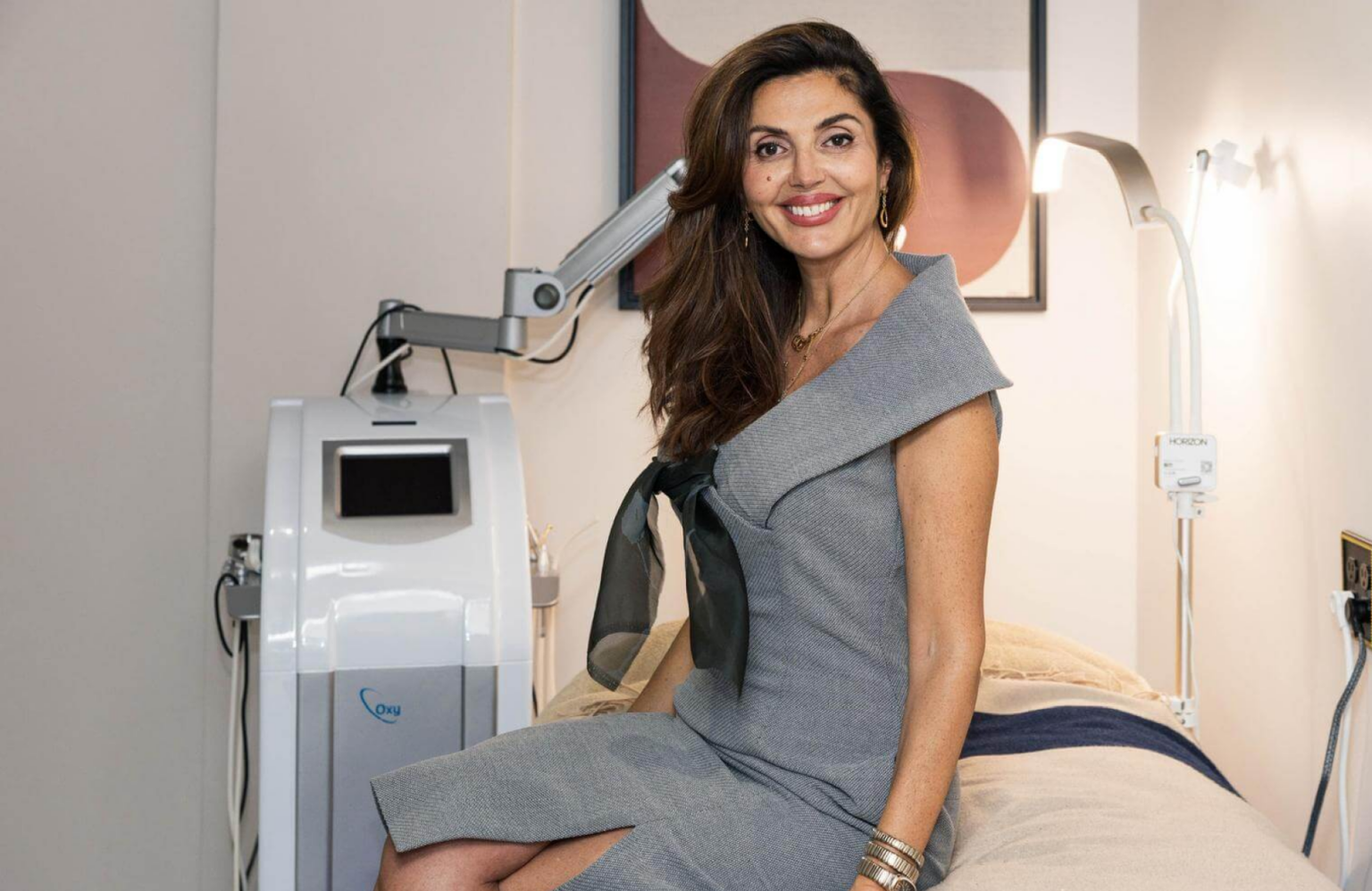
Radiofrequency skin tightening is one of the more widely discussed non-invasive treatments in professional skincare, and one of the more frequently misunderstood. Clients who encounter it during their research often have a general sense that it involves energy delivered into the skin to produce a firming effect, but the specifics of how that happens, why it produces the results it does, and what distinguishes one RF platform from another are rarely explained in the depth that allows a prospective client to make a genuinely informed decision.
That lack of clarity matters because radiofrequency is not a uniform technology. Different devices deliver energy at different depths, using different applicator designs and different combinations of energy types, which affects both what they can address and how reliably they produce results. For clients considering RF skin tightening in Westchester or the greater NYC area, understanding the mechanism is what separates a well-matched treatment from a disappointing one.
At Esthetics Embassy in Pound Ridge, NY, Lydia uses Venus Versa Pro for skin tightening, integrated within a Biologique Recherche protocol and European manual technique framework that surrounds the device work with clinical skincare support. This post explains what radiofrequency does to the skin at a biological level, what Venus Versa Pro specifically delivers, who is an appropriate candidate, and what realistic results look like over a treatment series.
What Radiofrequency Energy Is
Radiofrequency is a form of electromagnetic energy that produces heat when it passes through biological tissue. Unlike UV radiation, which damages tissue at the cellular level, or laser energy, which targets specific chromophores in the skin, RF energy heats the tissue by causing water molecules in the tissue to vibrate. The heat generated by this vibration is what produces the treatment effect.
The key variable is where in the tissue the heat is concentrated. Different RF devices deliver energy at different depths depending on the frequency of the electromagnetic wave used and the design of the applicator. Devices that deliver energy at the skin’s surface address only the superficial tissue. Devices that deliver energy into the dermis and the subcutaneous tissue beneath it where collagen fibers and fibroblasts are located produce the structural skin changes that make RF skin tightening clinically relevant.
The biological response to controlled thermal energy in the dermis is the same response the body uses to repair tissue after injury: it produces new collagen and elastin. This is the mechanism behind RF skin tightening, and it is the reason the treatment produces a result that goes beyond the surface of the skin.
The Two-Stage Response to RF Energy
When RF energy is delivered into the dermal tissue at the appropriate depth and temperature, it triggers two distinct and sequential responses.
The immediate response is thermal contraction of existing collagen fibers. Collagen is a protein that contracts when it is heated to a specific temperature range typically 60 to 70 degrees Celsius in the dermal tissue. When the RF energy raises the tissue temperature into this range, the existing collagen fibers physically shorten and contract, producing an immediate tightening effect that is visible within the session. This is why some degree of improvement is noticeable even after a first treatment.
The regenerative response begins in the weeks following treatment. The controlled thermal injury to the tissue activates fibroblasts the cells responsible for producing collagen and elastin — which begin generating new structural proteins to replace and supplement the existing collagen. This new collagen production continues for three to four months following each session, which is why the full result of a Venus Versa Pro treatment series is visible several months after the final session rather than immediately. The collagen formed in response to RF treatment is structurally sound new tissue, not a temporary surface effect, and it contributes to a lasting improvement in skin density, firmness, and resilience.
What Venus Versa Pro Delivers Specifically
Venus Versa Pro uses a combination of multi-polar radiofrequency and pulsed electromagnetic fields, which distinguishes it from single-polar and bi-polar RF devices in several clinically meaningful ways.
Multi-polar RF uses multiple poles within a single applicator to create an energy field that distributes heat more evenly throughout the treatment area rather than concentrating it at a single point. This produces a more consistent thermal effect across the tissue, which translates to more uniform collagen stimulation and a more predictable result than single-pole devices that can create uneven heating patterns.
Pulsed electromagnetic fields complement the RF energy by supporting the biological processes that the heat initiates. Electromagnetic fields have been studied for their role in stimulating fibroblast activity and accelerating tissue repair independently of thermal effect, which means the Venus Versa Pro protocol benefits from two distinct mechanisms acting on the tissue simultaneously: the collagen contraction and new collagen stimulation from the RF energy, and the fibroblast activity support from the pulsed electromagnetic field.
The applicator design also allows Lydia to calibrate the treatment depth, energy intensity, and coverage pattern to the specific zone being treated and the specific client’s skin condition, which is not possible with fixed-parameter devices. The face, neck, and décolleté have different tissue thicknesses and different treatment requirements, and the ability to adjust parameters between zones is a meaningful clinical advantage.
What the Treatment Addresses
Venus Versa Pro RF skin tightening at Esthetics Embassy is used for concerns where structural support in the dermis and subcutaneous tissue has declined and the overlying skin has begun to show the effects of that structural change.
Facial laxity the softening of the jawline, the development of jowling, the loss of the defined cheekbone-to-jaw transition responds well to Venus Versa Pro because the collagen remodeling it produces in the mid and lower face rebuilds the structural support that keeps the overlying skin in position. The result is a more defined, lifted appearance that develops progressively over the treatment series.
Neck laxity and banding the loose, less defined skin of the neck that becomes more pronounced through the forties and beyond, including horizontal banding and the general loss of firmness under the chin are among the most consistent applications of Venus Versa Pro at Esthetics Embassy. The neck responds well to RF treatment because the tissue there has often received very little targeted professional attention and responds noticeably to collagen stimulation.
Décolleté laxity and crepey texture improve through the same collagen remodeling mechanism, with the skin of the chest becoming progressively denser and more resilient over a treatment series.
Under-eye laxity and the loss of the lower lid definition are areas where the Venus Versa Pro can be applied with appropriate settings, producing a tightening effect in tissue that is among the most difficult to address non-invasively.
Overall skin density and resilience improve as a consequence of new collagen production throughout the treatment area, producing a skin quality improvement that extends beyond the specific zones of laxity the skin looks and behaves as though it has more structural integrity, which it does.
What Venus Versa Pro Does Not Address
Intellectual honesty about the scope of any treatment is a prerequisite for trust, and radiofrequency skin tightening has real limitations that are worth naming directly.
RF tightening does not address expression lines created by muscle movement. The horizontal forehead lines produced by repeated brow elevation, the glabellar lines from frowning, and the crow’s feet from squinting are driven by muscle contraction rather than skin laxity, and radiofrequency does not inhibit muscle activity. For those specific concerns, a neuromodulator is the appropriate intervention, and the two can be combined.
RF tightening does not correct severe or surgical-grade tissue descent. For clients with significant jowling, deep neck laxity, or structural changes that have progressed to the degree that surgical correction is the clinically appropriate option, Venus Versa Pro will produce meaningful improvement in skin quality and early laxity but will not replicate a surgical outcome. Lydia will give an honest assessment of where a client’s concerns fall on this spectrum during the consultation.
RF tightening does not produce immediate results equivalent to injectables. The most significant improvement from a Venus Versa Pro series develops over three to four months as new collagen matures, which means clients who need a result within a specific short timeframe should discuss timing during the consultation.
What a Session Feels Like
Venus Versa Pro sessions are comfortable for the vast majority of clients. The applicator delivers a warming sensation to the tissue that most describe as pleasant comparable to a warm stone massage in the area being treated. The temperature of the tissue is monitored throughout the session to ensure it reaches the therapeutic range without exceeding it, and most clients find the experience noticeably more comfortable than they anticipated.
Sessions typically last forty-five minutes to ninety minutes depending on the zones being treated. There is no downtime following treatment. Mild warmth and redness in the treated area for one to two hours following the session is normal and resolves without intervention. Clients return to their normal schedule immediately.
The Role of Biologique Recherche in the Venus Versa Pro Protocol
At Esthetics Embassy, Venus Versa Pro is never a standalone device treatment. Each session is surrounded by a Biologique Recherche clinical protocol that prepares the skin before the RF energy is applied and supports its recovery and collagen remodeling response in the hours and days following.
Before treatment, Lydia applies BR formulas appropriate to the client’s current Skin Instant® profile to ensure the skin is in an optimal condition to respond to the thermal stimulus. A skin that is dehydrated or barrier-compromised before an RF session does not respond with the same quality of collagen production as a well-prepared, normalized skin.
Following treatment, a BR recovery preparation is applied to support the skin’s healing response and begin the cellular signaling that amplifies the collagen stimulation initiated by the RF session. Lydia also provides specific home care guidance for the days following each session, including which BR products to use and what to avoid during the skin’s post-treatment recovery window.
This integration is what distinguishes the Venus Versa Pro experience at Esthetics Embassy from a device-only clinic. The clinical skincare surrounding each session directly affects the quality and longevity of the result.
How Many Sessions Are Needed
Most clients begin a Venus Versa Pro treatment series of six to eight sessions, scheduled approximately one week apart for the initial series. Clients with more advanced laxity may benefit from eight sessions, particularly in the neck and lower face where tissue descent tends to be more pronounced.
Meaningful improvement in firmness and skin quality is typically noticeable after three to four sessions, with the most significant structural change visible three to four months after the final session in the series as newly formed collagen matures and integrates. A maintenance schedule of two to four sessions per year following the initial series sustains and continues to build on the results achieved.
For clients combining Venus Versa Pro with Venus Viva resurfacing, Lydia structures the sessions to alternate between tightening and surface resurfacing so that both the dermal structure and the skin surface are being addressed in a coordinated treatment plan.
Who Is a Good Candidate
Venus Versa Pro is appropriate for a wide range of clients and skin types. It is most effective for clients in their late thirties through sixties who are managing early to moderate skin laxity and want a non-invasive approach that produces structural improvement rather than a surface or temporary result.
It is compatible with most skin tones because RF energy does not target pigment the way laser devices do, which makes it a safer option for darker skin types who may carry a higher risk of adverse pigment response from light-based treatments.
Clients who are pregnant, have active skin infections in the treatment area, or have certain implanted devices should discuss their specific situation with Lydia during the consultation, as these may affect whether and how the treatment is appropriate for them.
Begin with a Private Consultation
If you are considering radiofrequency skin tightening in Westchester or the greater NYC area, a private consultation with Lydia at Esthetics Embassy is the right starting point. She will conduct a Skin Instant® assessment, evaluate the specific zones of concern, and give you a direct recommendation on whether Venus Versa Pro, Venus Viva, a combined protocol, or a different approach is most appropriate for your skin and your goals.
Esthetics Embassy serves clients from Pound Ridge, Katonah, Bedford, Greenwich, New Canaan, Armonk, Chappaqua, and Rye, as well as those traveling from Manhattan and Connecticut.
Esthetics Embassy New York is located at 72 Westchester Avenue, Pound Ridge, NY 10576. Open Monday through Friday, 10am to 7pm, and Saturday, 10am to 3pm.